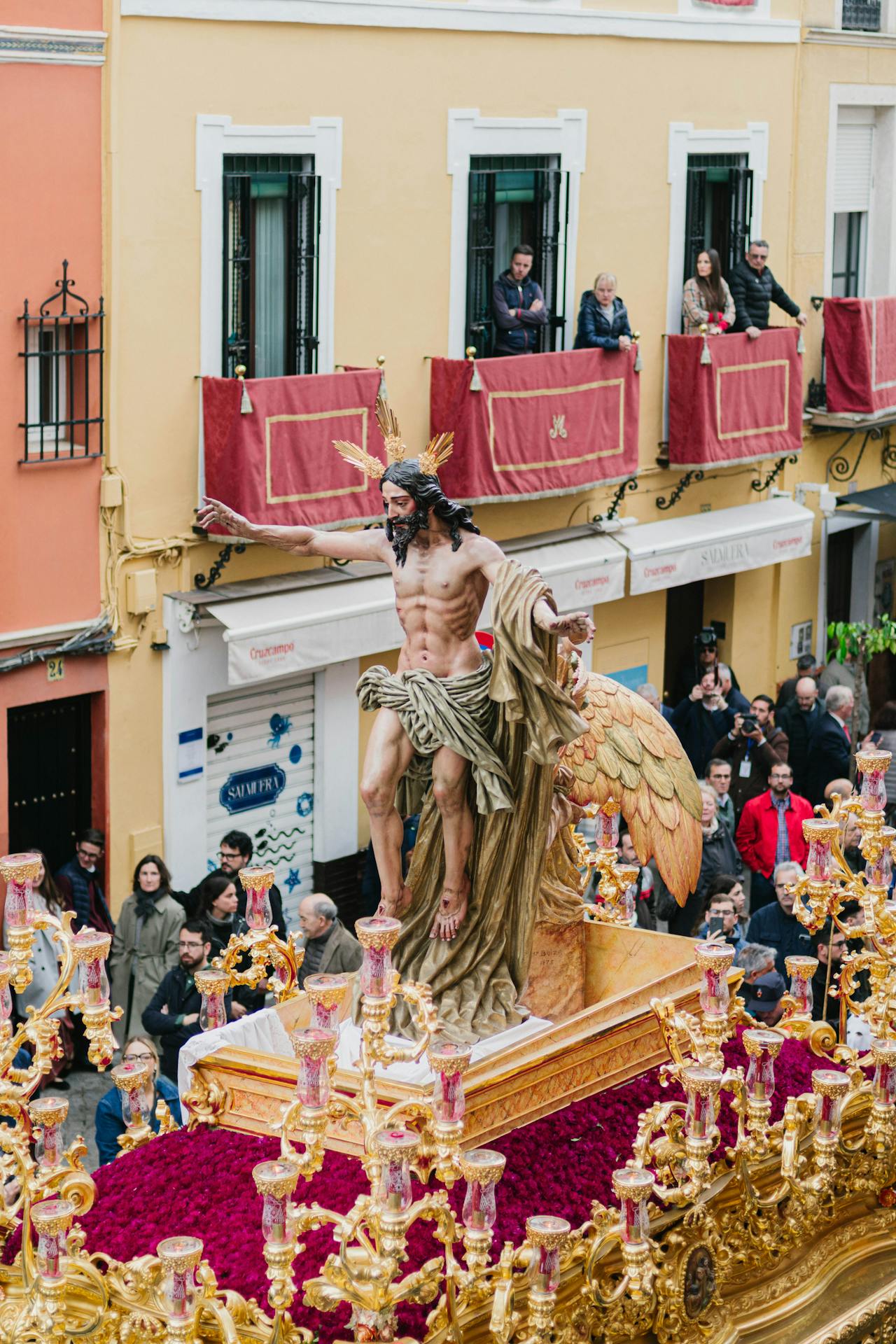
Spain is renowned for its rich cultural traditions, vibrant festivals, and historical celebrations that draw visitors from all over the world. One festival that truly stands out is Semana Santa, or Holy Week. This annual event is one of Spain’s most significant religious and cultural celebrations, marked by elaborate processions, centuries-old rituals, and deeply moving displays of devotion. For travellers planning to visit Spain in 2026, Semana Santa offers a unique opportunity to witness the country’s heritage and spirituality in action. But what exactly is Semana Santa, and when can you experience it next? Let’s dive into everything you need to know about Semana Santa 2026.

This blog post may include affiliate links. If you buy or sign up for something through this site, I’ll earn a small commission, but it won’t cost you anything extra.
What is Semana Santa 2026?
Semana Santa, literally translated as “Holy Week,” is the week leading up to Easter Sunday. It is a profoundly religious festival observed across Spain, particularly in regions such as Andalusia, Castile, and Extremadura. While the essence of the festival is spiritual – commemorating the Passion, death, and resurrection of Jesus Christ – it is also an exhibition of Spanish artistry, culture, and community pride.
During Semana Santa, almost every town and city in Spain hosts processions, known as procesiones, which feature ornate floats, religious statues, and participants dressed in traditional robes and pointed hoods called capirotes. These processions are accompanied by bands playing solemn music, creating a deeply moving atmosphere for spectators.
The festival is as much a visual spectacle as it is a spiritual one. Some processions include pasos, which are elaborate floats that carry sculptures depicting scenes from the Passion of Christ. These floats are often masterpieces of craftsmanship, with gilded details, intricate carvings, and life-like figures.
Semana Santa is not just a religious event but also a significant cultural attraction. It is considered one of Spain’s most photogenic festivals and a must-see for visitors seeking an authentic Spanish experience. In fact, this festival is often listed among what unique cultural festivals in Spain draw in thousands of tourists every year? Due to its scale, beauty, and emotional impact. Cities such as Seville, Málaga, Granada, and Valladolid are particularly famous for their Semana Santa celebrations, attracting both pilgrims and curious tourists alike.
When is Semana Santa 2026?
The dates of Semana Santa are determined by the Christian liturgical calendar, specifically by the date of Easter, which changes every year. Easter Sunday in 2026 falls on 29 March, and Semana Santa takes place in the week leading up to it.
This timing means that Semana Santa is an early spring festival, which can offer mild weather conditions perfect for walking through the cities and towns hosting the processions. Travellers often plan their visits around the weather and the procession schedules to ensure they experience the festival in its full glory.
It is worth noting that while the dates shift each year, the essence of the festival remains unchanged. The processions, the traditional attire, the music, and the community involvement are consistent across regions, allowing visitors to experience centuries-old traditions no matter when they visit.
What date is Semana Santa 2026?
For 2026, Semana Santa runs from Sunday 29 March to Sunday 5 April. This eight-day period includes significant religious days that mark the progression from Christ’s entrance into Jerusalem to his crucifixion and eventual resurrection.
Here is a quick overview of the key dates:
- Palm Sunday (Domingo de Ramos) – 29 March 2026: Marks the beginning of Semana Santa, commemorating Jesus’ entry into Jerusalem. Many processions feature participants carrying palm branches and olive leaves.
- Maundy Thursday (Jueves Santo) – 2 April 2026: Celebrates the Last Supper. Processions on this day often include penitents in traditional robes and floats depicting scenes from the Passion.
- Good Friday (Viernes Santo) – 3 April 2026: The most solemn day of Semana Santa, commemorating the crucifixion of Jesus. Processions tend to be quieter and more reflective, with candles, hymns, and poignant displays.
- Holy Saturday (Sábado Santo) – 4 April 2026: Marks the day Jesus lay in the tomb. Many towns hold processions that reflect the anticipation of resurrection.
- Easter Sunday (Domingo de Resurrección) – 5 April 2026: Celebrates the resurrection of Jesus. This day often features more jubilant processions and public festivities.
Sunday 29 Mar 2026 – Sunday 5 Apr 2026
If you’re planning a trip to Spain during Semana Santa 2026, these dates – Sunday 29 March to Sunday 5 April – will guide your itinerary. The week is packed with activities that can appeal to both devout observers and casual travellers alike.
Highlights by day:
- Sunday 29 March: The streets are filled with processions celebrating Palm Sunday. Expect crowds waving palm leaves, religious floats, and marching bands. In Seville, for example, the processions wind through the historic city centre, offering spectacular photo opportunities.
- Monday – Wednesday (30 March – 1 April): These mid-week days are often quieter, making them ideal for exploring smaller towns. Local brotherhoods (cofradías) hold processions that are less crowded but equally intricate, giving visitors a more intimate experience of the festival.
- Thursday 2 April – Maundy Thursday: Cities like Málaga and Granada host some of the most elaborate processions of the week, featuring enormous floats carried by hundreds of participants. Expect evening processions illuminated by candlelight, creating an unforgettable atmosphere.
- Friday 3 April – Good Friday: A day of reflection and solemnity. Many towns observe a complete silence except for the processional music. For those interested in photography or cultural immersion, this is the perfect day to capture the emotional depth of Semana Santa.
- Saturday 4 April – Holy Saturday: Processions often depict the mourning of Christ, with participants engaging in traditional rituals. This day bridges the solemnity of Good Friday and the joy of Easter Sunday.
- Sunday 5 April – Easter Sunday: The culmination of Semana Santa. Expect celebratory processions, fireworks, and lively gatherings. Many towns host open-air concerts, family-friendly events, and communal feasts.


How Long Does Semana Santa Last?
Semana Santa typically spans one week, starting on Palm Sunday and ending on Easter Sunday, although some towns may have events or processions that begin a few days earlier or extend slightly beyond Easter. The core week includes key liturgical days:
- Palm Sunday (Domingo de Ramos)
- Holy Monday (Lunes Santo)
- Holy Tuesday (Martes Santo)
- Holy Wednesday (Miércoles Santo)
- Maundy Thursday (Jueves Santo)
- Good Friday (Viernes Santo)
- Holy Saturday (Sábado Santo)
- Easter Sunday (Domingo de Resurrección)
This eight-day period allows for a rich tapestry of events, each with its own local flavour, traditions, and historical significance. In major cities like Seville, Granada, and Málaga, the festivities can start earlier with smaller processions, religious ceremonies, and cultural exhibitions.
For visitors, understanding the duration and key dates is essential for planning. While a single day of Semana Santa can be a memorable experience, immersing yourself in the full week allows you to witness the depth and diversity of Spanish religious culture. It also gives you time to explore the local food, music, and art that often accompany the processions.
Experiencing Semana Santa 2026: Tips for Visitors
If you’re planning to experience Semana Santa 2026 in Spain, here are some practical tips to make the most of your visit:
- Plan Accommodation Early: Semana Santa attracts large crowds, particularly in cities like Seville, Málaga, and Granada. Booking your hotel or rental property well in advance is essential.
- Check Procession Schedules: Each city has its own schedule, and some of the most popular processions can get very crowded. Planning your itinerary around these events ensures you don’t miss the highlights.
- Dress Appropriately: Semana Santa processions are solemn events, so respectful attire is recommended, especially if attending religious ceremonies. Comfortable shoes are also essential, as you may be walking or standing for long periods.
- Try Local Cuisine: Semana Santa coincides with Spain’s spring season, and many towns offer traditional Easter foods, such as torrijas (a sweet, French-toast-like treat) and bacalao (salted cod). Sampling these delicacies is part of the cultural experience.
- Engage Respectfully: While Semana Santa is visually spectacular, it is primarily a religious observance. Be mindful of local customs, avoid obstructing processions, and always ask before taking photographs.
Why Semana Santa is a Must-See in 2026
Semana Santa is more than a festival; it is a journey into the heart of Spanish tradition. The combination of history, artistry, music, and spirituality creates an experience unlike any other. Visitors often find themselves moved by the devotion, impressed by the craftsmanship, and captivated by the atmosphere of communal participation.
The 2026 celebrations promise to be especially memorable, with cities preparing months in advance to showcase their most elaborate processions. Whether you are a history enthusiast, a cultural explorer, or simply seeking a unique travel experience, Semana Santa 2026 offers something for everyone.
Making the Most of Semana Santa 2026
Planning a trip to Spain during Semana Santa 2026 is an opportunity to witness one of Europe’s most iconic cultural festivals. Running from Sunday 29 March to Sunday 5 April, the week-long event offers a profound glimpse into Spanish religious traditions, artistry, and community spirit. From the solemnity of Good Friday processions to the joyous celebrations of Easter Sunday, every day brings its own unique experiences.
For anyone curious about what unique cultural festivals in Spain draw in thousands of tourists every year?, Semana Santa should top the list. Whether you choose to explore the bustling streets of Seville or the quieter towns of Andalusia, the festival’s combination of history, devotion, and spectacle promises an unforgettable adventure.
So, mark your calendars for March 2026, prepare to witness centuries of tradition, and immerse yourself in one of Spain’s most beautiful and moving celebrations: Semana Santa.
Don’t Miss Out – Subscribe to My Newsletter
Do you want to be the first to read my latest blog posts? If you have enjoyed reading, you can stay updated with my other features by signing up:


Follow me on social media: Instagram | Facebook | TikTok

Related Articles
Why you should experience Tiffany’s Bar Puerto Rico Gran Canaria
Easter Activities for Kids (+ Free Printable Easter Activities PDF!)
Cheap Easter Weekend Breaks UK: Bargain Getaways for Springtime Fun
Latest Posts
- The Small Monthly Costs We Don’t Think Twice About
- Fun Facts About the Eurovision Song Contest
- Fun Facts About the London Marathon
- 10 Reasons Why You Should Go to Lakefest This Year
- Ultimate Eurovision Party Ideas
All Posts
Blogging Business Drinks Entertainment Family Finance Food Giveaway Health Pets Sport Weddings