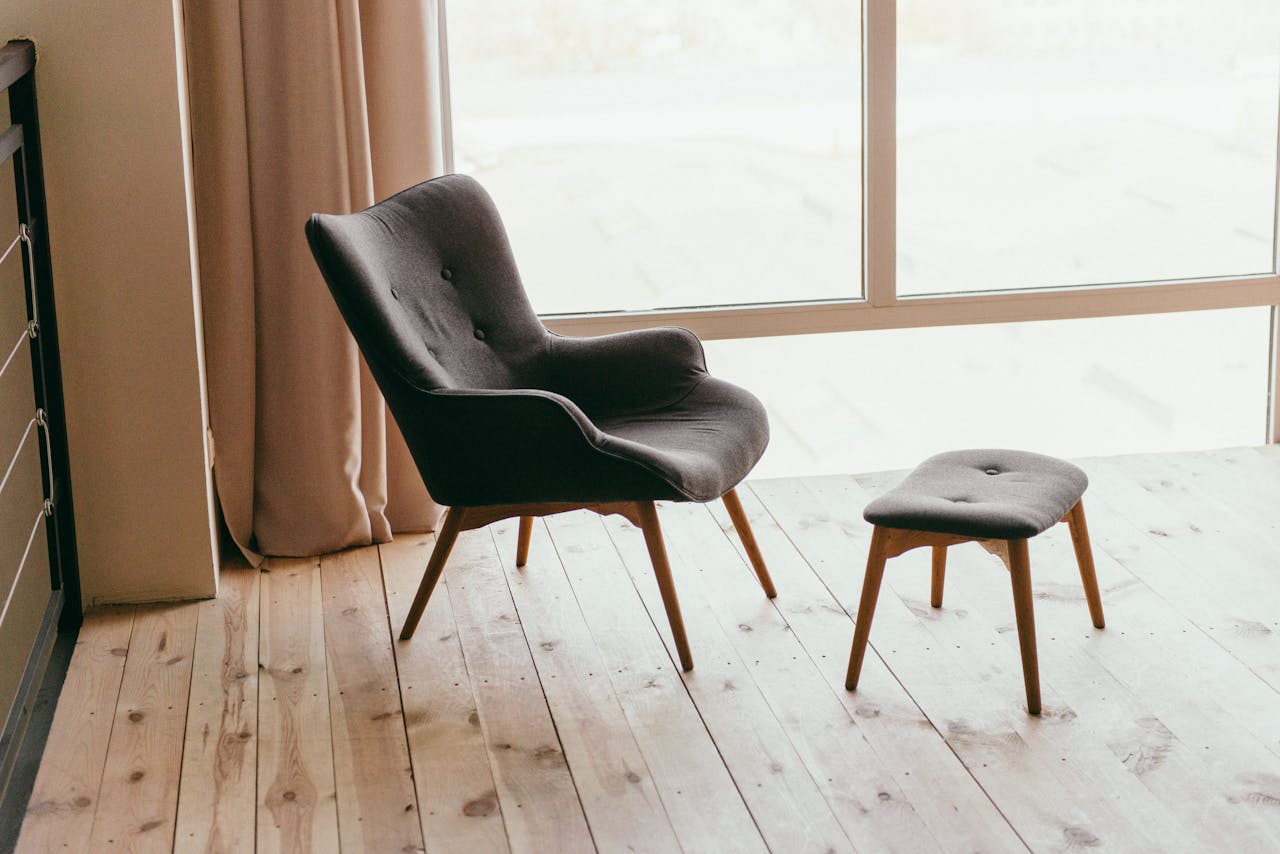
In an era dominated by the clutter of daily life, minimalist living spaces offer a refreshing escape, where less is indeed more. Embracing a minimalist approach in your home can help create a serene and calming environment, fostering a sense of peace and clarity.
This guide explores the core principles of minimalist living and provides practical tips on how to transform your home into a minimalist haven, with special considerations for families with young children.

Understanding Minimalism
Minimalism in interior design is more than just an aesthetic choice—it’s a lifestyle. It involves reducing excess and living only with what is necessary. In minimalist spaces, each element serves a purpose, combining functionality with simplicity. This philosophy extends beyond just physical items to include a minimalist approach to life itself, focusing on what truly matters.
Benefits of Minimalist Living
Minimalist interiors are known for their clean lines and lack of clutter, which can significantly reduce stress and anxiety in your daily life. This simplicity allows the mind to relax, making your home a true sanctuary. Moreover, minimalist living can lead to less environmental impact, as it encourages buying fewer but higher-quality items that last longer.
Creating a Minimalist Living Space
1. Declutter Your Space
Start by decluttering your home. Go through each room and remove items that you no longer need or use. For families with young children, it’s crucial to involve them in the process and teach them the value of keeping only what they truly use and love. Be ruthless with your choices, keeping only what adds value to your life or serves a specific function.
2. Choose a Neutral Colour Palette
Minimalist spaces typically feature a neutral colour palette comprising whites, beiges, greys, and blacks. These colours form a clean, unobtrusive backdrop that makes the space feel more open and airy. When children are part of your household, opt for washable paints and finishes that can easily be cleaned.
3. Invest in Quality Over Quantity
Opt for furniture and decor that are both functional and high quality. In minimalist design, each piece of furniture should serve a purpose. Choose items with clean lines and simple designs that stand the test of time. For families, look for durable materials that can withstand the wear and tear of everyday use.
4. Maximise Storage
Effective storage solutions are key in a minimalist home. Opt for built-in cabinets and multi-functional furniture like beds with drawers underneath or ottomans with storage. This helps keep the clutter out of sight and ensures that everything has its place, making it easier to maintain a tidy space with children.
5. Focus on Texture and Material
Without the distraction of patterns and colours, textures become incredibly important. They add depth and interest to the room. Incorporate different materials such as wood, metal, and textiles to create a dynamic yet harmonious interior. Ensure that these materials are safe and non-toxic, with no sharp edges or small detachable parts.
6. Let in Natural Light
Maximise natural light by keeping windows unobstructed. Natural light not only makes a space appear bigger and more open but also enhances the overall warmth and welcoming feel of the home. Use light window treatments that allow light to filter through but also provide privacy and security for your family.
7. Decorate with Minimal Artwork
When it comes to decorating your walls, keep it simple. Choose one or two pieces of art that really speak to you instead of a collage of smaller artworks. The key is to let each piece stand out on its own. With children, consider artwork that is engaging but not overly stimulating.
8. Embrace Empty Space
Resist the urge to fill every corner. Empty space is considered an element of design in minimalist decorating. It gives the room a chance to breathe and increases the impact of the items you have chosen to display. This also provides more room for children to play safely.
9. Maintain Regularly
Minimalist living is not a one-time effort. It requires continuous commitment to keeping your space clean and clutter-free. Make it a habit to reassess your possessions regularly and get rid of items that no longer serve a purpose or bring you joy.
Conclusion
Adopting a minimalist lifestyle doesn’t mean living in a bare, stark environment. Instead, it’s about creating a space that reflects simplicity, elegance, and mindfulness.
A minimalist home is all about balance and harmony where each element serves a purpose, promoting a clutter-free and peaceful living space. Whether you’re an experienced minimalist or just beginning to explore this lifestyle, transforming your home into a minimalist retreat can significantly enhance your quality of life by simplifying it.
Author Bio
Micaela is a digital marketing expert with over a decade of experience in creating effective online content and strategies. As co-founder of Make Money Blogging Now and the force behind the Life in Lilac blog, she draws daily inspiration from her home in the Kent countryside. Her blog has become a valued resource for practical advice on modern family life. Micaela enjoys life with her husband Steve, their 1-year-old daughter, and a lively assortment of pets, blending her professional acumen with her personal passions.
Do you want to be the first to read my latest blog posts? If you have enjoyed reading my blog, you can stay updated with my other features by signing up:


Follow me on social media: Instagram | Facebook | Twitter

Related Articles
15 Quick And Easy Ways To Save Money
5 Ways To Stay Fit Without Entering A Gym
Latest Posts
- The Small Monthly Costs We Don’t Think Twice About
- Fun Facts About the Eurovision Song Contest
- Fun Facts About the London Marathon
- 10 Reasons Why You Should Go to Lakefest This Year
- Ultimate Eurovision Party Ideas
All Posts
Blogging Business Drinks Entertainment Family Finance Food Giveaway Health Pets Sport Weddings