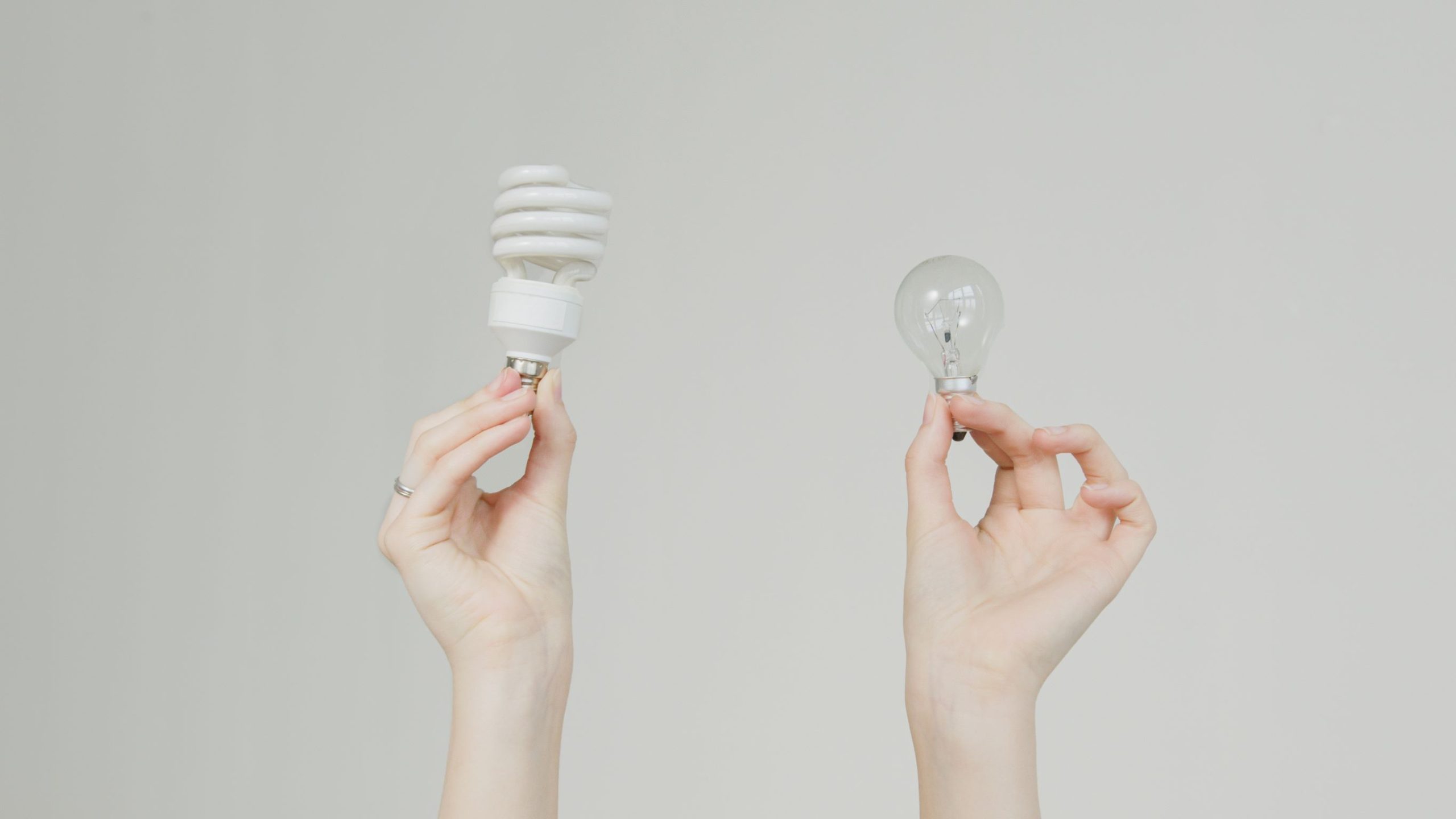
Most of us will admit that utility bills are among the most expensive monthly bills. They hurt the pocket, but there is a lot of wasted power, especially with electricity. Therefore to live a more sustainable life and also save money, you need to look at how to conserve energy in your home – and also if you can produce your own too. It can be easier than you think.

Conserving energy
There are many little steps to take to conserve energy, waste less and cut back on utility bills. Here are a few you can start looking at today. Here are some tips on how to save energy at home.
Use natural lighting and air conditioning
The best light source is the big ball in the sky – the sun. And while it might not always be around, depending on where you live, it is excellent to use it when it is. Natural light is the best way to light your home and doesn’t cost anything. So open up those blinds, pull the curtains right back and ensure plenty of that natural light can get into your home. It can also help warm the house in cooler months.
In the same way, open those windows and let the airflow through the home rather than using air conditioning systems. Open windows don’t cost anything, and the airflow is less likely to contain any bugs that can build up in air-con units.
Turn off lights when leaving the room
There are times when using lights are unavoidable, especially in winter. But a way to help conserve energy is to turn off lights when leaving the room. This means they aren’t using power lighting an empty room, will make the bulb last longer and can even remove the risk of problems such as fires from electrical circuits. If you are a fan of smart tech, you can get connected lightbulbs with motion sensors to ensure that they turn out when you leave the room.
Switch to LED bulbs
There’s a reason that people are advocating switching to LED bulbs – well, a few of them. For starters, they last a lot longer than conventional bulbs. They are far more energy-efficient: yes, the initial cost is more, but they definitely pay this back.
| Traditional Incandescent | Halogen | CFL | LED | |
| Energy Efficient | Very Low | Low | High | Very High |
| Colour temperature | Warm | Warm | Warm to cool | Warm to cool |
| Lifespan | 1,000 hours (1 year) | 3,000 hours (3 years) | 8,000 hours (8 years) | 25,000 hours (25 years) |
Energy-efficient appliances
When it comes to replacing any appliance that uses electricity, look at the energy efficiency of the new one before committing to it. From kettles to fridges, washing machines and dishwashers, even boilers, they all have to have a rating on them, with A being the best.
Use that capacity
It can be tempting to run a dishwasher half full or just put a half load into the washing machine, but this is a waste of power. Instead, make sure you use everything to capacity, even if it means leaving some dirty dishes from lunch lying in the dishwasher until dinner. That way you get the most for the electricity used.
Check your home’s insulation
One of the biggest causes of wasted energy is poor insulation. Heat rises, vanishes through the roof and is lost. Therefore looking at the quality and thickness of the insulation in your roof or loft can be vital to improving the home’s energy efficiency.
Producing your own power
The other significant element to being sustainable is looking to create your own power – electricity. Many renewable options can be used in almost any home to general electricity, cut down utility bills and even make a little money selling unused power.
Solar thermal
When there is sunlight, you can generate power to create hot water and do not need to use gas and electricity to power your boiler for the job. A solar panel can be used to heat hot water and works alongside an existing system. You may need to get a new tank that works with this kind of system, and you do need a house facing within 90 degrees of south.
Photovoltaic
This is another type of solar panel that creates electricity from sunlight. You have the panels fitted to the roof, so again a 90 degree of south angle is needed. It can be expensive to set up, but there are schemes to sell it back to utility companies if you general more power than you need.
Wind turbines
Wind turbines are massive things seen in hilly fields or at sea most of the time. But smaller, home-sized versions are becoming available, and if you live in the right kind of area, they may be worth considering. There can be restrictions about where you can put them with planning permission or local regulations, so check this first.
Heat pumps
These use the principles of refrigeration (vapour compression) to create heat from water, ground or air and then transfer it to an electric pump. You want to make sure your home is well insulated if you go with this idea. Little maintenance is available, but the cost depends on what source you want to use.
Conclusion
Not everyone will be able to produce their own electricity, but we can all do more to conserve it and make our homes more energy-efficient. Hopefully, this article has given you some ideas on how to conserve energy in your home. It also has the benefit of saving money on those utility bills as well!
Related Articles
What to do if You Need Emergency Money
15 Quick and Easy Ways to Save Money
Latest Posts
- The Small Monthly Costs We Don’t Think Twice About
- Fun Facts About the Eurovision Song Contest
- Fun Facts About the London Marathon
- 10 Reasons Why You Should Go to Lakefest This Year
- Ultimate Eurovision Party Ideas
All Posts
Blogging Business Drinks Entertainment Family Finance Food Giveaway Health Pets Sport Weddings