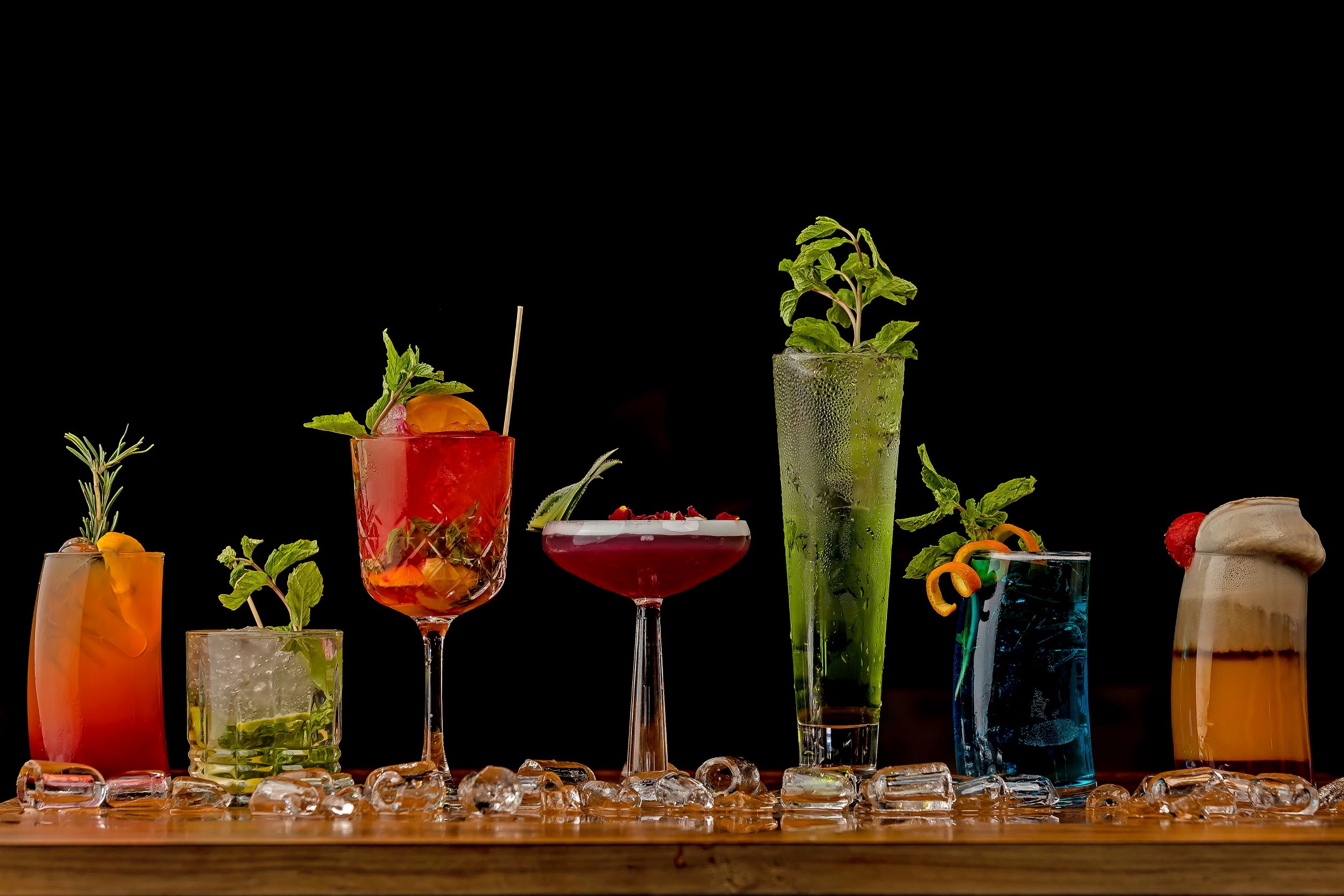
A mocktail is a non-alcoholic drink, which is what many people drink when they do not want to consume alcohol. There are also some of the most popular recipes for mocktails that you can try out! What are mocktails, and what makes them different from cocktails? Here’s our guide to mocktails:

What is a Mocktail?
A mocktail is a cocktail with no alcohol. Juices, soft drinks, infused waters, and other non-alcoholic ingredients are combined in ideal proportions to provide taste.
Modern mocktails at a bar are often more sophisticated than their alcoholic counterparts, thanks to the use of a range of fruits and spices that represent a variety of tastes. These flavour profiles are frequently mistaken for bourbon, gin, vermouth, bitters, and other bartender staples.
Drinks influence the overall flavour and experience of a meal. The restaurant’s ambience, the appetisers and desserts that precede and follow it, and the beverages that go with it all create an exciting dining experience.
Non-alcoholic beverages, such as water, juice, soda, and tea, can all be used to complement a meal. Non-alcoholic drinks are sometimes neglected.
What is a Virgin Drink?
In the most basic terms, a virgin drink does not include any alcohol. It’s also known as a mocktail.
When making mocktails and virgin beverages, many people add a flavoured mixer like ginger ale, fizzy drinks, or tonic water to mask the flavour of the alcohol. This gives you a similar taste to the original without requiring you to use any alcohol.
There’s also a push to promote the notion of a “low-alcohol” drink that still includes alcoholic ingredients. Still, the emphasis is on drinks with lower alcohol percentages than whiskies or vodkas. Vermouths are one such example.
Tips for how to make a mocktail
How do you make a mocktail? It’s simple to combine things, but it frequently has fruit juice flavour. Instead, here are some methods for adding complexity to the taste of your free-form mocktails:
Carbonated water, fruit juice, and even ginger beer are lovely for adding lift to your mocktails with carbonated bubbles. When in doubt, add bubbles!
Consider a “mock” alcoholic beverage to enhance the complexity of your cocktail. A teaspoon or two of caper juice or pickle juice can mimic alcohol! It sounds strange, but it actually works.
Make your own flavour combinations. Instead of being one-note, mocktail recipes can be layered to appear more fascinating. Try a homemade syrup, like mint, ginger, rosemary or lavender.
Bitters in Mocktails
Non-purist mocktail mixologists frequently add a dash or two of bitters to their drinks as a nod to classicism. While bitters have alcohol, it is present in such low amounts that it is undetectable and comparable to adding vanilla or another extract to a recipe.
Bitters tantalise the tongue and elevate the mocktail to a mixed beverage beyond the sum of its components for aficionados.
Famous Mocktails
The most well-known and long-lived mocktails, all of which are named after celebrities. They include:
- A Shirley Temple, named after the legendary child actress, is ginger ale, lemon-lime soda, lemonade, or other non-alcoholic drink combined with grenadine syrup and garnished with a maraschino cherry.
- Mr Marvin: A cola base blended with grenadine syrup and garnished with a maraschino cherry named after the famous Western film actor and entertainer.
- The signature drink of Arnold Palmer is a combination of iced tea and lemonade. Unlike the other two beverages, which are simply identified by a name, this drink was created by golf legend Arnold Palmer. He was known to prepare this drink at home and order it at country clubs after completing a round. The ratio and type of tea, whether sweet, unsweetened or something else entirely, are open to interpretation and local preferences.
Working with mocktails
The oldest of the three drinks may be considered the forefathers of today’s mocktail, as they are simple to make and are delightful. These three beverages were designed to provide a more sophisticated drinking experience to individuals who can’t or refuse to consume alcohol, offering them comparable service and presentation without the intoxication.
Related Articles
Starting Your Home Bar: The Essentials
The Health Benefits of Red Wine
Beginners Guide to Sweet White Wine
Latest Posts
- The Small Monthly Costs We Don’t Think Twice About
- Fun Facts About the Eurovision Song Contest
- Fun Facts About the London Marathon
- 10 Reasons Why You Should Go to Lakefest This Year
- Ultimate Eurovision Party Ideas
All Posts
Blogging Business Drinks Entertainment Family Finance Food Giveaway Health Pets Sport Weddings